

Wool is a premium fiber, prized for its natural softness, warmth, and resilience. However, conventional wool treatment processes, particularly dyeing, often involve boiling temperatures (around 98°C). This can compromise the very qualities that make wool so valuable. Today, a technological breakthrough is changing the game: low temperature dyeing for wool. This guide explores this innovative, energy-saving dyeing process and the crucial role of a wool dye promoter. For manufacturers seeking to enhance quality while reducing costs, this is a must-read. Discover the future of gentle wool processing with our advanced solutions.
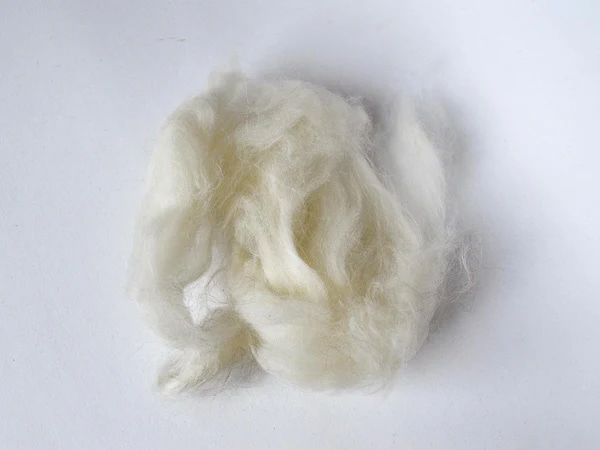
Why is high-temperature wool dyeing a challenge? While effective at fixing color, boiling wool comes with significant drawbacks that affect both product quality and the bottom line.
The primary concern is fiber damage. The delicate protein structure of wool can be harmed by prolonged exposure to high heat. This can lead to a harsher hand feel, a loss of natural elasticity, and reduced spinnability for yarns, ultimately degrading the final product's quality.
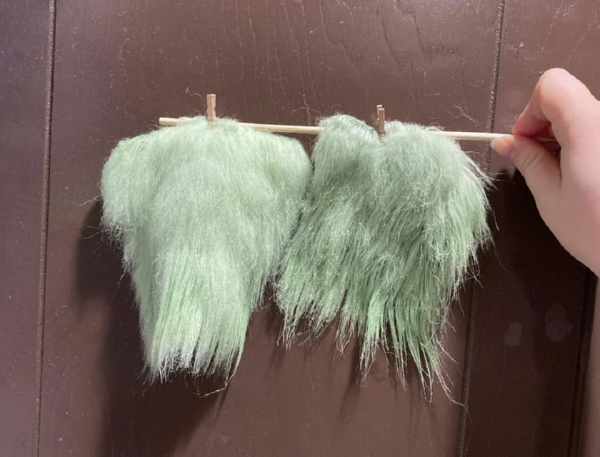
Heating large vats of water to near-boiling and maintaining that temperature is a major source of energy consumption in a dye house. The long heating and cooling phases also extend the overall cycle times, reducing the productivity of each machine.
Natural wool fibers, especially white and pastel shades, are susceptible to yellowing at high temperatures. This can alter the intended shade and make achieving clean, bright colors more difficult.
The key to unlocking the potential of low temperature dyeing for wool is a specialized chemical additive. How does a wool dye promoter work? It acts as a catalyst, enabling the entire dyeing process to occur efficiently at a much gentler temperature, typically between 80-85°C.
A wool dye promoter works by increasing the affinity between the dye molecules and the wool fiber. It helps to open up the fiber structure at a lower temperature, accelerating both the adsorption of dye onto the fiber surface and its diffusion into the fiber's core.
These promoters also have excellent dispersing properties. They prevent dye molecules from clumping together in the dyebath. This improved solubility leads to better leveling and a more uniform, brilliant shade, even at lower temperatures.
At Taiyang Chemical, we've developed TY5-7B Wool Dye Promoter to make the benefits of low temperature dyeing accessible and reliable for our clients. As a leading wool dye promoter manufacturer, we've engineered this product for peak performance.
The most significant benefit of TY5-7B is its ability to achieve the same color yield as traditional boiling dyeing, but at a much lower temperature. In fact, the final shades are often brighter and more vibrant because the fiber has not been subjected to the dulling effect of high heat.
The power of TY5-7B extends beyond wool. It is highly effective for dyeing other delicate protein and polyamide fibers like silk and nylon, as well as their blends. This versatility makes it an invaluable tool for manufacturers working with a range of premium materials.
Implementing this energy-saving dyeing process is straightforward:
Switching to a low temperature process offers clear, measurable benefits for your business.
| Advantage | Description |
|---|---|
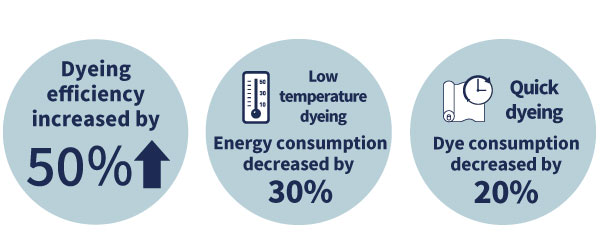
| Energy Savings | Lowering the dyeing temperature by 15-20°C can reduce heating-related energy consumption by up to 20% or more. |
| Quality Improvement | Preserves the natural softness and elasticity of the wool, prevents yellowing, and improves spinnability. |
| Productivity Boost | Shorter heating and cooling cycle times mean more batches can be processed per day on each machine. |
The future of premium wool treatment is about achieving superior quality with greater efficiency and sustainability. Low temperature dyeing for wool, enabled by an advanced wool dye promoter like TY5-7B, offers a clear path to this goal. It's a smarter, gentler process that protects the integrity of your valuable fibers while significantly reducing your operational costs.
It's time to dye smarter, not hotter. Contact a leading wool dye promoter manufacturer to learn how TY5-7B can revolutionize your wool dyeing process.
Does low temperature dyeing affect the color fastness of the wool? Does low temperature dyeing affect color fastness? No. When using a high-quality promoter like TY5-7B, the dye fixation is just as effective as in a traditional process. The final color fastness (to washing, light, and rubbing) is not negatively impacted and remains at a high standard.
Can I use TY5-7B with any type of acid or reactive dyes for wool? TY5-7B is designed to be compatible with a wide range of acid dyes and wool reactive dyes. However, as dye chemistries can vary, we always recommend conducting a lab trial with your specific dyes to confirm optimal results.
Is this process suitable for mercerized wool and other delicate animal hairs? Is this process suitable for mercerized wool? Yes, absolutely. The gentle nature of low temperature dyeing makes it ideal for delicate fibers like mercerized wool, semi-worsted wool, and other animal hairs where preserving softness and luster is a top priority.
How does a dye promoter differ from a standard leveling agent? While both contribute to even dyeing, their primary functions differ. A leveling agent's main job is to control the rate of dyeing to prevent patchiness. A wool dye promoter, on the other hand, is a catalyst whose main job is to make the entire dyeing reaction possible at a lower temperature. TY5-7B has both promoting and dispersing/leveling properties, making it a multi-functional solution. For more details, feel free to contact our technical team.