

In any dye house, consistency is the ultimate goal. You can have the best dyes and a perfectly calibrated process, but if your water quality is poor, you're fighting a losing battle. This is especially true when dealing with hard water in dyeing. This guide explains the essential role of a powerful dyeing auxiliary: the chelating dispersant. We'll uncover how hard water sabotages your production and how a proper water treatment strategy can save your batches. For those seeking consistent dyeing quality, mastering your water is the first step. Discover our specialized textile auxiliaries to take control of your process.
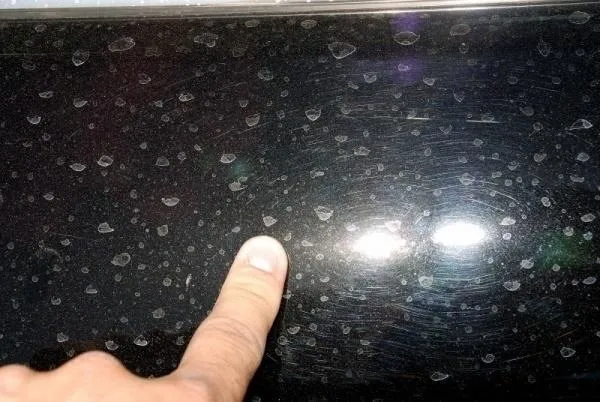
How does hard water affect dyeing? Hard water is rich in dissolved metal ions, primarily calcium (Ca²⁺) and magnesium (Mg²⁺), but it can also contain iron (Fe³⁺). These invisible ions are the hidden enemy of a clean and uniform dyeing process.
Many dyes can react with the metal ions in hard water to form insoluble particles. These particles precipitate out of the solution and deposit randomly onto the fabric surface, creating one of the most frustrating defects: dye spots. This results in costly re-processing or rejection.
The problems start long before dyeing. During scouring and bleaching, the metal ions in hard water react with soaps and detergents, deactivating them and forming scum. This reduces cleaning efficiency, meaning impurities that should be removed are left on the fabric, leading to poor absorbency and uneven dyeing.
Over time, these mineral deposits can cause scale buildup on your dyeing machines, heat exchangers, and pipes. This reduces heating efficiency, wastes energy, and can even flake off during a cycle, causing physical defects on the fabric. It also acts as a scale inhibitor for quality issues.
The answer to hard water problems is a multi-action chemical: the chelating dispersant. This product tackles the problem on two fronts. How do chelating agents work?
The "chelating" part of the name comes from the Greek word for "claw." A chelating agent has a special molecular structure that acts like a claw to grab and hold onto metal ions. It "traps" them, forming a stable, water-soluble complex. This prevents the ions from reacting with dyes or detergents, effectively neutralizing them.
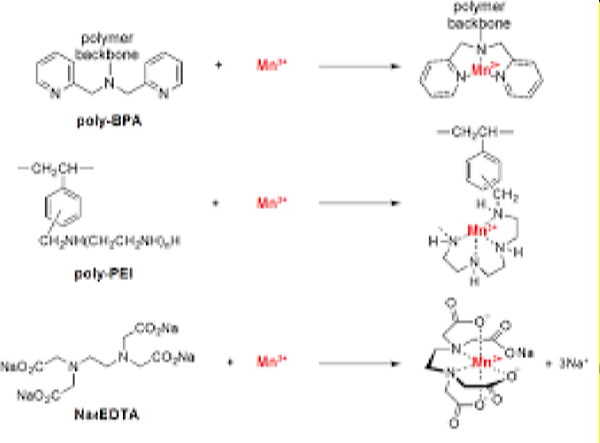
The "dispersant" part of the product keeps other insoluble impurities (like the neutralized complexes or loose dye particles) suspended evenly in the water. This prevents them from clumping together or re-depositing onto the fabric, ensuring they are washed away cleanly during rinsing.
To provide a robust and reliable solution for hard water in dyeing, Taiyang Chemical developed TY1-30 Chelating Dispersant. It is a guardian for your water quality, ensuring every stage of your textile processing runs smoothly.
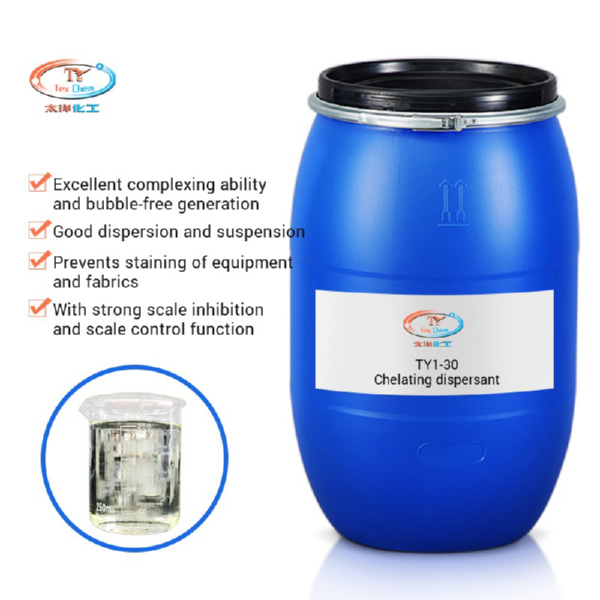
One of the standout features of TY1-30 is its excellent chelating power for a wide range of metal ions. Critically, it is a no-foam formulation. Excessive foam in jet dyeing machines can cause tangling and uneven treatment, so this feature is essential for a smooth, trouble-free process.
TY1-30 is incredibly versatile. It can be used as a general water treatment agent, or added directly into various process baths:
The application of TY1-30 is simple. The dosage is adjusted based on the specific process and your factory's water hardness. For precise recommendations tailored to your conditions, it is always best to consult our technical data sheets or experts.
Using a chelating dispersant is most effective as part of a proactive water management strategy.
You cannot fight an enemy you do not see. Regular water hardness testing is a simple but vital practice. Knowing the level of metal ions in your water allows you to use the correct dosage of your chelating agent, ensuring effectiveness without wastage.
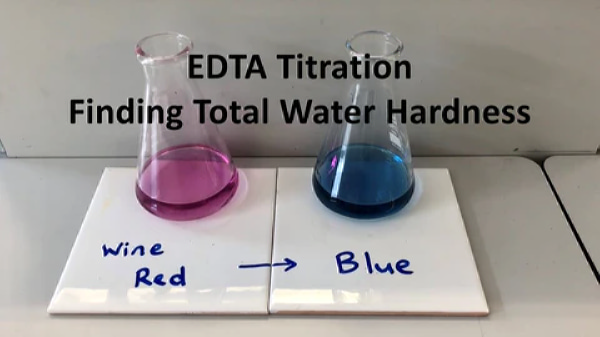
Water sources can fluctuate in hardness depending on the season (e.g., rainy vs. dry season). A professional dye house will adjust its water treatment dosages accordingly to maintain consistent dyeing results year-round.
The path to flawless, consistent dyeing begins with the most fundamental ingredient: water. For any factory struggling with hard water in dyeing, a high-performance chelating dispersant like TY1-30 is not just an auxiliary; it's an essential insurance policy. It protects your fabric from dye spots, your equipment from scale buildup, and your profits from costly rejections.
Stop letting poor water quality dictate your results. Learn more about TY1-30 Chelating Dispersant and ensure every batch is your best batch.
What is the difference between a chelating agent and a water softener? What is the difference between a chelating agent and a water softener? A traditional water softener (like an ion-exchange system) physically removes hardness ions from the water before it enters the process. A chelating dispersant is a chemical additive that works inside the process bath to neutralize the ions, making it a more flexible and often more cost-effective solution for dye houses.
Can I use TY1-30 in hydrogen peroxide bleaching baths? Yes, absolutely. TY1-30 is highly effective in peroxide bleaching. It not only chelates interfering metal ions (like iron, which can cause catalytic damage) but also helps stabilize the peroxide, leading to better and more uniform whiteness.
Will using a chelating dispersant affect my dyeing shade? Will it affect my dyeing shade? On the contrary, it will protect and enhance it. By preventing metal ions from interfering with the dye molecules, a chelating dispersant helps you achieve a cleaner, brighter, and more accurate shade, closer to your original lab dip.
How often should I test my factory's water hardness? For optimal process control, it is recommended to test your incoming water hardness at least once a week. If your water source is known to be highly variable, testing at the beginning of each day or each shift is a best practice for maintaining the highest level of quality control. To discuss a testing strategy, feel free to reach out to our team.