

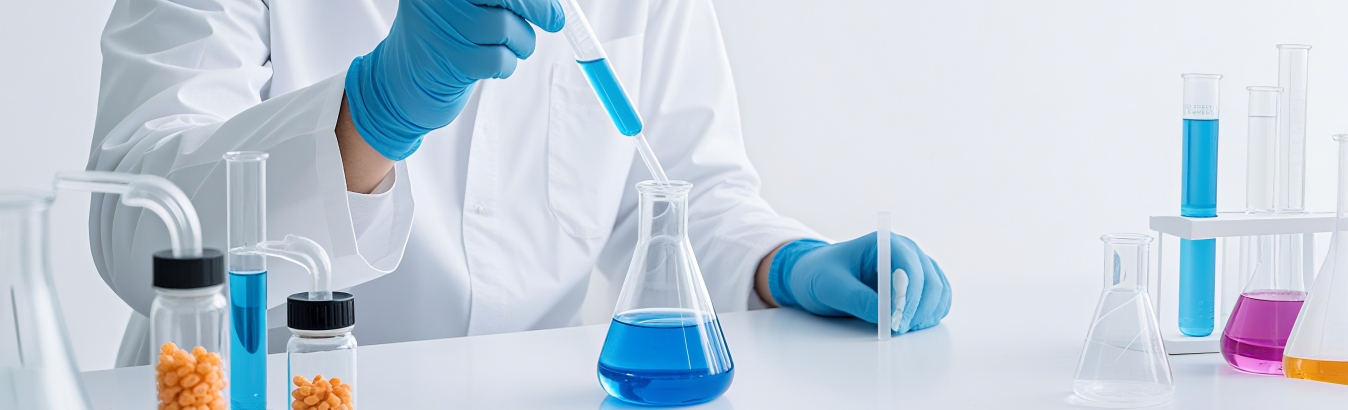
What defines the perfect towel? For consumers, the answer is simple: it must be luxuriously soft to the touch and instantly absorbent. This presents a classic challenge for textile manufacturers—the "towel paradox." This guide explores hydrophilic finishing for towels, a critical process for resolving this paradox. We will delve into why traditional softeners fall short and how an innovative silicone oil for dyeing vat application can deliver both a plush soft hand feel and superior water absorbency. For producers of premium home textiles, this is the key to creating a truly exceptional product. Discover our advanced finishing solutions that delight customers.
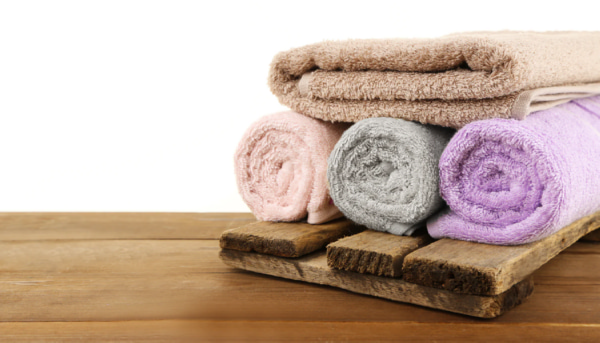
Why do traditional softeners make towels less absorbent? The very mechanism that makes a standard fabric softener work is often the reason it fails on towels. These softeners are designed to reduce friction, but in doing so, they can inadvertently compromise one of the towel's most essential functions.
Most conventional softeners, including many standard amino silicone oils and fatty acid derivatives, are hydrophobic. They work by coating the cotton fibers with a thin, water-repellent film. While this lubricating layer makes the fibers feel smooth and soft, it also acts as a barrier, preventing water from being quickly absorbed into the fiber core.
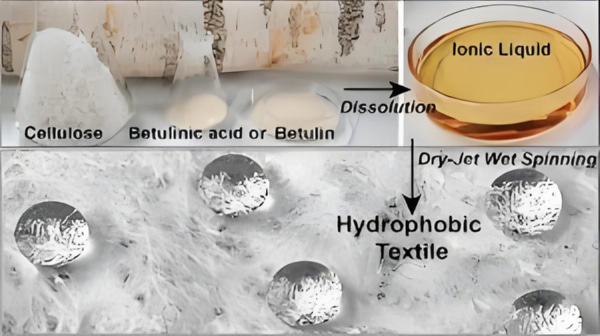
The result is a towel that feels wonderfully soft in the store but fails in the bathroom. It smears water around instead of absorbing it, leading to poor product performance and customer dissatisfaction. For hotel textiles or premium home goods, this is an unacceptable quality flaw.
To solve the towel paradox, a new generation of softeners was needed. What is the difference between hydrophilic and regular silicone oil? The answer lies in advanced block copolymer chemistry.
A hydrophilic silicone oil is a special type of silicone oil for textiles. It is a block copolymer, meaning its molecular structure contains both hydrophobic (water-repelling) and hydrophilic (water-attracting) segments.
The hydrophobic part of the molecule provides the excellent lubrication for a superior soft hand feel, just like a traditional silicone. Simultaneously, the hydrophilic part ensures that the fiber surface remains open to water molecules, thus maintaining or even enhancing water absorbency. It’s the best of both worlds in a single molecule.
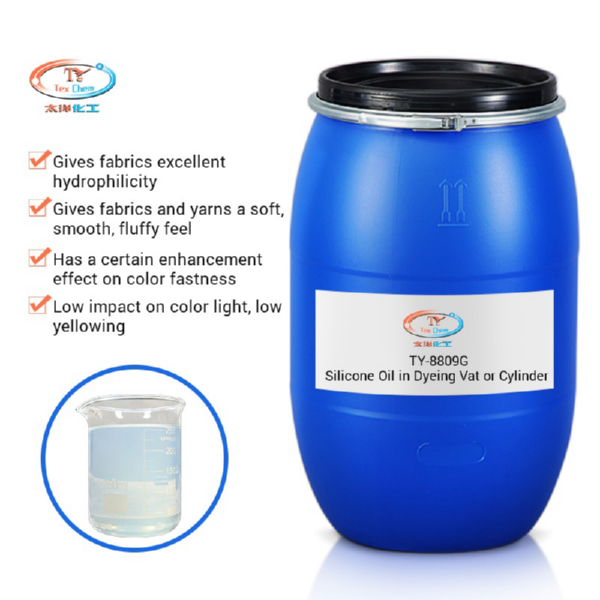
At Taiyang Chemical, we've taken this technology a step further with TY-8809G Silicone Oil. This isn't just a hydrophilic softener; it's a process optimizer, designed for the efficiency of an in-vat application.
The primary benefit of TY-8809G is its ability to deliver excellent hydrophilicity. Towels and fabrics treated with it exhibit instant water-wetting properties, ensuring maximum water absorbency and performance that consumers will notice immediately.
While prioritizing absorbency, TY-8809G does not compromise on its core function as a fabric softener. It imparts an outstandingly soft, smooth, and fluffy soft hand feel, creating the luxurious texture expected from premium textiles.
One of the most significant advantages of TY-8809G is its design as a silicone oil for dyeing vat application. It can be added directly into the dye bath during the final rinse or softening cycle. This in-vat application eliminates the need for a separate finishing step, saving significant time, water, and energy saving—a major benefit for any production facility.
Integrating TY-8809G into your towel production is simple and delivers consistent results.
Our recommended process parameters for an exhaustion method are:
While perfect for the hydrophilic finishing for towels, the versatility of TY-8809G makes it an excellent choice for other materials. It is suitable for cotton, synthetic fibers, and their blends, making it a valuable tool for any manufacturer producing hydrophilic, soft-touch fabrics.
The "towel paradox" is a thing of the past. With an advanced hydrophilic silicone oil like TY-8809G, manufacturers can confidently deliver the perfect towel experience: ultimate softness combined with immediate absorbency. The added efficiency of an in-vat application makes it not just a quality upgrade, but a smart business decision.
Stop compromising between softness and absorbency. Discover the unique benefits of TY-8809G Silicone Oil for Dyeing Vat Application and create the perfect towel.
What is the difference between a hydrophilic silicone oil and a regular amino silicone oil? A regular amino silicone oil is typically hydrophobic and creates a water-repellent film, which harms water absorbency. A hydrophilic silicone oil is chemically modified with water-attracting groups, allowing it to provide softness while maintaining the fabric's ability to absorb water.
Does applying the silicone oil in the dye vat affect the dyeing process? Does applying silicone oil in the dye vat affect dyeing? No. TY-8809G is designed to be applied after the dyeing phase is complete, typically in the final rinse or a dedicated softening cycle within the same machine. It does not interfere with the dye itself, ensuring color consistency and fastness.
How does the durability of TY-8809G's hydrophilic effect compare to other methods? The hydrophilic effect from TY-8809G is highly durable. The block copolymer structure forms a strong association with the cotton fibers, ensuring that both the softness and the hydrophilicity are maintained through numerous home laundry cycles.
Can this product be used for fabrics other than towels, like sportswear? Can this product be used for sportswear? Yes, absolutely. Any fabric where both a soft hand feel and moisture-wicking properties are desired can benefit. This makes TY-8809G an excellent choice for performance apparel, activewear, and any textile designed for next-to-skin comfort. To discuss your specific application, feel free to contact our experts.