

In today's textile market, a print is judged by more than just its color and design. Brands and consumers alike are demanding products that are safe, soft, and sustainable. This shift towards eco-friendly printing puts the spotlight on the most fundamental component of a print paste: the binder, or fixing paste. This guide explores the benefits of using a modern environmental fixing paste, and how solutions like TY-40G are enabling printers to achieve stunning results without compromising on safety or performance. For those committed to sustainable textile printing, this is a critical component for your success. Discover our range of eco-friendly printing auxiliaries.
Why does environmental compliance matter so much in textile printing? The answer is simple: it's about safety, market access, and brand reputation. Sticking to environmental standards is no longer optional; it's a core business requirement.
Global markets, especially in Europe and North America, have stringent regulations governing the chemicals used in consumer products. Major brands enforce their own Restricted Substances Lists (RSLs), which often go beyond legal requirements. Using a compliant environmental fixing paste is essential for any manufacturer looking to supply these top-tier brands.
Two of the most scrutinized chemicals are formaldehyde and APEO. A formaldehyde-free binder is a must for avoiding skin irritation and other health concerns. APEO-free formulations are critical for protecting aquatic ecosystems. Choosing products free from these substances is a fundamental part of responsible manufacturing.
The demand for safety is highest in the children's apparel market. Parents actively seek out products that are certified safe for their children. Using a certified safe and environmental fixing paste allows brands to confidently market their products as gentle and non-toxic, building invaluable consumer trust.
Achieving a high-performance print that is also eco-friendly requires advanced chemistry. Modern solutions go beyond simply removing harmful substances; they are engineered for better performance and efficiency.
The foundation of a modern binder like TY-40G is its self-crosslinking acrylic copolymers. These advanced polymers have reactive groups built into their structure. During drying, they form a strong, durable network without the need for additional, potentially harsh, chemical crosslinkers.
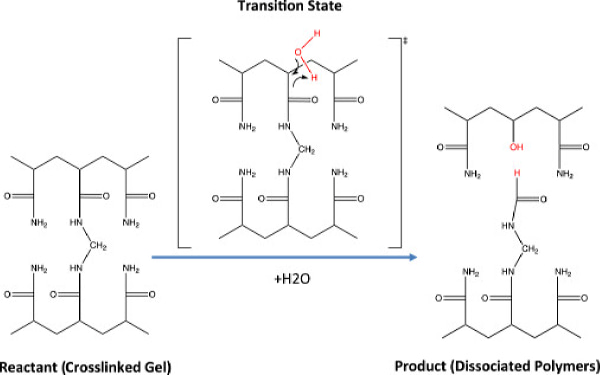
This self-crosslinking ability is key. It allows the print to achieve excellent wash resistance and durability on its own, eliminating a potential source of restricted chemicals from the formula and simplifying the production process.
A groundbreaking feature of some advanced fixing pastes is the ability to self-crosslink at room temperature. This provides a massive energy efficiency benefit, as it removes the need for a high-temperature curing step, saving significant time and electricity costs for the printing factory.
At Taiyang Chemical, we've engineered TY-40G Environmental Fixing Paste to be the gold standard for eco-friendly printing. It is an ideal adhesive for high-standard fabric coating, commonly known as a high-strength solid pulp.
TY-40G is a true environmental fixing paste. Our formulation is guaranteed to be a formaldehyde-free binder and is also free from APEO and phthalates, ensuring it meets the strictest international RSLs.
With TY-40G, sustainability does not mean sacrificing quality. It delivers:

Designed for the modern print house, the TY-40G emulsion is highly stable. It has excellent slow-drying properties, which prevents screen clogging during production stops. The prepared color paste can be stored for 30 days in a covered container without forming a skin. For a reliable environmental fixing paste bulk supply, we are your trusted partner.
TY-40G is designed for easy integration into any sustainable textile printing workflow.
Whether you operate a high-volume round screen machine, a precision flat screen setup, or perform manual printing, TY-40G provides excellent performance and workability.
Preparing the print paste is simple. There is no special order required for mixing components, and as a self-crosslinking system, no external crosslinking agent is needed.
Eco-friendly printing is the future, and the environmental fixing paste is its foundation. With a solution like TY-40G, printers no longer have to choose between performance and sustainability. You can confidently deliver soft, durable, and vibrant prints that are safe for consumers and the planet.
Ready to meet the highest environmental standards without sacrificing quality? Request the technical datasheet for TY-40G and get your bulk supply of environmental fixing paste.
What is a "fixing paste"? In the context of pigment printing, the terms "fixing paste" (固浆), "binder" (粘合剂), and "solid pulp" (实地浆) are often used interchangeably. They all refer to the polymeric adhesive that binds the pigment to the fabric.
Is room temperature self-crosslinking as durable? Yes. Advanced acrylic copolymers like those in TY-40G are engineered to form a highly durable polymer network at ambient temperatures. The final wash resistance is excellent and comparable to many heat-cured systems, with the added benefit of significant energy efficiency.
Yes. TY-40G shows good adaptability and provides strong adhesion on a variety of fabrics, including linen cotton, TC cloth, and polyester-cotton blends, making it a versatile choice for your print house.
How can I get a certificate of compliance? We understand the importance of documentation in the modern supply chain. As your supplier, we can provide the necessary technical data sheets and statements of compliance to demonstrate that TY-40G is a formaldehyde-free binder and meets other key RSL requirements. Simply contact our sales team for support.