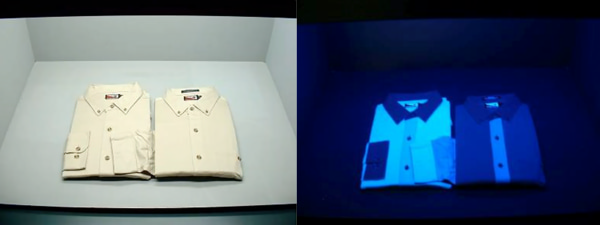



Have you ever held up two white shirts and noticed that one looks exceptionally brilliant, almost glowing, while the other seems dull and slightly yellow in comparison? This isn't a trick of the light. It's the magic of chemistry. The secret to achieving those brighter colors and dazzling whites lies in a special class of fabric finishing chemicals: the optical brightener. Also known as a whitening agent, this is the tool professionals use to elevate the visual appeal of their textiles. This guide will reveal the science behind these remarkable additives. For those looking to achieve superior fabric whiteness, exploring our advanced textile auxiliaries is your next step.

How do optical brighteners work? Unlike traditional methods that remove color, an optical brightener works by manipulating light itself. It's a fascinating process that fundamentally changes how our eyes perceive the fabric's color.
The core principle is fluorescence. Optical brighteners contain fluorescent compounds that absorb invisible ultraviolet (UV light) from sunlight and other light sources. They then re-emit this energy as visible blue light. This newly added blue light enhances the overall amount of visible light reflected from the fabric, making it appear brighter.
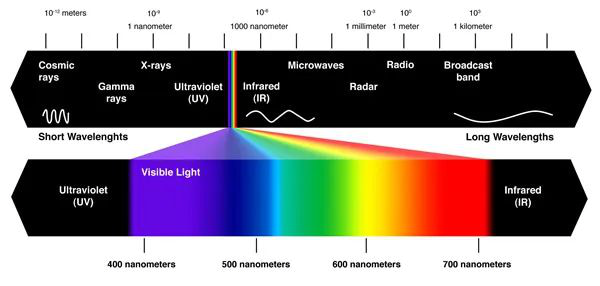
Most natural fibers, like cotton, have a faint, natural yellowish tint, even after bleaching. In the color spectrum, yellow and blue are opposites. By adding blue light to the reflected light, the optical brightener effectively cancels out this underlying yellow hue. This neutralization effect makes our brains perceive the fabric as a cleaner, purer white.
What is the difference between bleaching and brightening? It's a crucial distinction. Bleaching is a chemical process that destroys or removes colored impurities from the fibers to make them whiter. Brightening, on the other hand, is an additive process. A whitening agent doesn't remove anything; it adds blue light to create the illusion of a brighter, whiter appearance. The two processes are often used together for the best results.
The versatility of optical brighteners makes them a staple in various sectors of the textile industry, enhancing color vibrancy and perceived quality.
For textiles like high-end dress shirts and luxury bed linens made from cotton and linen, a crisp, brilliant white is a hallmark of quality. A whitening agent is essential for achieving this premium look.
On synthetic fibers like polyester and its blends, an optical brightener not only enhances fabric whiteness but also makes colored fabrics appear more vibrant and vivid. The added blue light can make reds, blues, and other colors "pop."
The effect of brighteners isn't always permanent. In industrial laundry and washing plants, optical brighteners are often added to detergents to restore the brightness of textiles that may have yellowed or dulled over time and use.
Not all whitening agents are created equal. The right choice depends on the fiber type and process conditions. At Taiyang Chemical, we offer TY-902L, a powerful and versatile whitening agent for a range of applications.
TY-902L is formulated for professional use. It exhibits excellent resistance to mild acids and alkalis, making it suitable for use in oxidative bleaching and whitening bath processes. Its easy solubility in water ensures a smooth and uniform application without spotting.
This whitening agent is highly versatile, showing excellent performance on cotton, polyester-cotton blends, linen, and even delicate silk. This makes it a go-to product for manufacturers working with a variety of materials.
TY-902L is easy to use in a standard fabric finishing line.
To get the most out of your whitening agent, follow these professional tips.
Different optical brighteners have different affinities for various fibers. Choosing a product specifically designed for your material (e.g., cotton vs. polyester) is crucial for ensuring the brightening effect is strong and durable.
More is not always better. Over-applying an optical brightener can lead to a saturation point where the fabric starts to take on a grayish or even greenish cast. Always adhere to the recommended dosages for a clean, brilliant white.
The "secret" to exceptionally brighter colors and dazzling whites is no secret at all—it's the smart application of science. An optical brightener is a powerful tool in fabric finishing that elevates the visual quality and perceived value of your textiles. By choosing a high-quality, versatile whitening agent like TY-902L, you can consistently deliver products that capture the customer's eye.
Ready to make your whites truly shine and your colors pop? Explore our range of whitening agents and request a sample of TY-902L to see the difference for yourself.
1. Are optical brighteners safe for the skin? Yes. When sourced from a reputable manufacturer and used correctly, optical brighteners are considered safe. Products used in textiles intended for skin contact should comply with standards like OEKO-TEX®, which tests for harmful substances.
2. Does the brightening effect from an optical brightener fade over time? Does the brightening effect fade? The effect can diminish over time due to exposure to sunlight (which can degrade the fluorescent molecules) and washing (which can gradually remove the agent). This is why many laundry detergents contain optical brighteners to "recharge" the effect.
3. Can I use a whitening agent to fix a fabric that was poorly bleached? An optical brightener can mask minor yellowness, but it cannot fix a major bleaching problem. It's a finishing tool, not a corrective one for severe discoloration. The best results are always achieved on a properly bleached and prepared fabric.
4. Why do some brightened fabrics look blue under a blacklight? A blacklight emits a high amount of UV light. The optical brightener in the fabric absorbs this energy and strongly emits it as visible blue light, causing the fabric to glow intensely. This is a simple way to see if a fabric has been treated with a whitening agent.