

In the world of polyester dyeing, the dyeing cycle itself is only half the battle. The post-dyeing cleanup, known as reduction cleaning, is a critical step for achieving good wash fastness, but it has traditionally been a major bottleneck. This article will explore how a modern acid reduction detergent can simplify this entire process, offering significant time, water, and energy savings. For dye houses looking to boost efficiency, this is a game-changing hydrosulfite alternative. Discover a smarter way to clean your polyester fabrics.
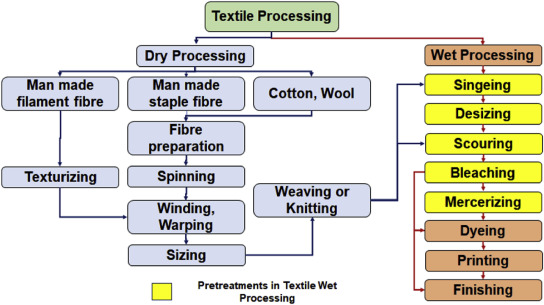
Why is traditional reduction cleaning with hydrosulfite (insurance powder) so inefficient? For decades, the standard process has been a lengthy, multi-step affair conducted in an alkaline environment.
A typical traditional workflow after dyeing looks like this:
The need to drain, refill, and reheat the bath results in massive water consumption and energy consumption. In an era of rising utility costs and environmental pressure, this inefficiency is a major operational drain.
The harsh alkaline conditions of traditional reduction cleaning can be detrimental to delicate spandex blends, potentially harming their elasticity. It can also negatively affect the brightness of certain fluorescent dyes.
How does an acid reduction detergent work? The innovation lies in its ability to perform the cleaning in the same acidic environment as the dyeing process, completely eliminating the need to switch to an alkaline bath.
This is the core of the efficiency gain. After the polyester dyeing cycle is complete, you simply cool the existing acidic dyebath to the cleaning temperature (e.g., 85-98°C). Then, you add the acid reduction detergent directly into the same bath. This "no-drain" advantage cuts out multiple steps from the traditional process.
The technology is based on a special compound of reducing agents and surfactants that are uniquely stable and active in acidic conditions (pH 4.0-5.0). This allows them to effectively remove and disperse unfixed dye from the fiber surface without needing an alkaline environment.
At Taiyang Chemical, we've channeled this technology into our TY2-43 Acid Reduction Detergent. This product is the ultimate efficiency tool for modern polyester dye houses, designed to deliver maximum savings with excellent performance.
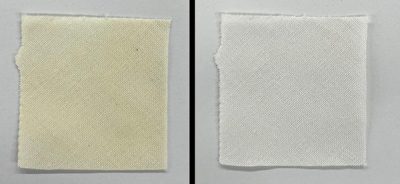
By using TY2-43, you can:
With TY2-43, efficiency does not come at the cost of quality. It provides excellent cleaning without affecting the final dye shade, making it ideal for deep colors. It also has no negative impact on the fluorescence of dyes or the performance of moisture-wicking and other sensitive finishes.
Using TY2-43 is simple, but one rule is critical.
The difference between the two methods is stark.
Traditional Process: Dye -> Drain -> Rinse -> Refill -> Clean -> Drain -> Rinse -> Neutralize -> Rinse TY2-43 Process: Dye -> Cool -> Clean -> Drain -> Rinse
For a typical dye lot, using TY2-43 can save approximately 30 minutes of machine time and two full baths of water. Over a year, this translates to hundreds of hours of increased machine capacity and thousands of tons of saved water, representing a massive improvement in operational efficiency.
The post-dyeing reduction cleaning process no longer needs to be a bottleneck. By switching from a traditional hydrosulfite alternative to an advanced acid reduction detergent like TY2-43, you can streamline your workflow, achieve significant water saving, and lower your operational costs. It's a smarter, faster, and more sustainable way to approach polyester dyeing.
Stop washing away your profits with outdated processes. Discover the efficiency of TY2-43 Acid Reduction Detergent and request a quote for a reduction cleaning agent wholesale supply.
What is the main difference between TY2-43 and traditional hydrosulfite (insurance powder)?
The main difference is the pH at which they operate. Hydrosulfite requires a harsh alkaline environment. TY2-43 is a revolutionary hydrosulfite alternative that is designed to work effectively in the mild acidic conditions of the dyebath itself, eliminating the need for a separate alkaline cleaning step.
Is the cleaning effect of an acid reduction detergent as good as the traditional alkaline method?
Is the cleaning effect as good as the traditional method? Yes. TY2-43 is formulated to provide excellent cleaning performance, resulting in wash fastness that is fully comparable to, and in some cases (like with *spandex blends), superior to the traditional alkaline method.
The instructions say not to mix the agent directly with acid. Why is this important?
Why shouldn't I mix the agent directly with acid?* This is a critical safety and performance instruction. Mixing a concentrated reducing agent directly with a concentrated acid can cause a rapid, potentially hazardous reaction and can deactivate the product. They must be diluted in the main bath separately.
Can this product be used in a continuous process, or only for batch dyeing?
TY2-43 is primarily designed for the efficiency gains in exhaust/batch dyeing processes where the "no-drain" advantage is most significant. For continuous processes, different cleaning methods are typically used. To discuss your specific needs, please contact our technical experts.