

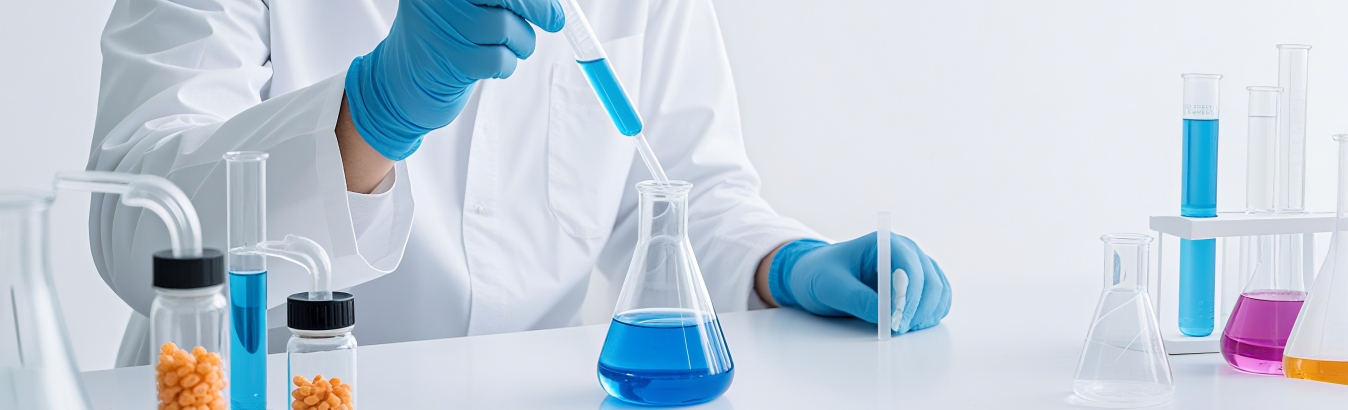
Over the past year, we've had the privilege of connecting with hundreds of textile professionals like you. Your questions, challenges, and insights are what drive our innovation. To share this collective knowledge, we've launched our Ask the Expert series. In this inaugural edition, we've compiled the ten most frequently asked textile chemical questions we received. Our technical directors are here to provide direct, honest answers from the factory floor. For those seeking ongoing technical support, this is a must-read. If your question isn't here, our team is always ready to help.
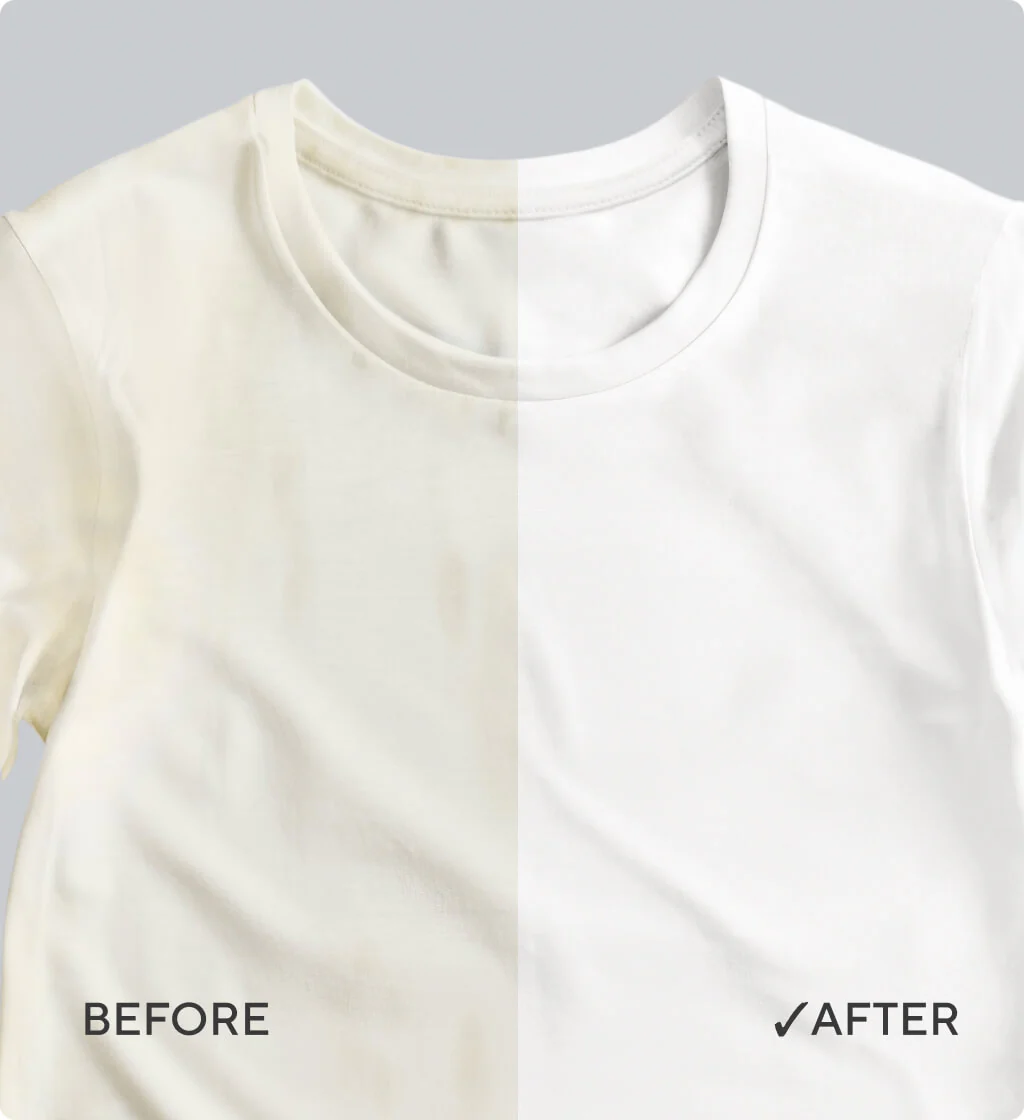
Most likely, yes. This is a classic case of yellowing caused by traditional amino silicone oils. The amino groups in the softener can oxidize, especially under heat, causing a yellowish tint. The solution is to switch to a low-yellowing softener like our TY-8809A2, which is engineered with a more stable molecular structure. You can learn more in our Guide to Low-Yellowing Softeners.
This is a high-stakes question, as stripping a batch of polyester is costly and damaging. The answer is color correction through dye migration. We recommend using a high temperature repair agent like our TY-8805G. It works in the dye bath to encourage the dye to move from high-concentration areas to low-concentration areas, leveling the color without removing it. Get the full details in our Guide to Color Correction.
This is a critical issue for high-value denim. The spandex fibers that provide stretch are very sensitive to heat and harsh chemicals. The most common culprits are high bleaching temperatures and aggressive mechanical action. To solve this, you need to control your process and use a dedicated elastic protective agent, like our TY-8801, in every stage of the wash. We cover this in depth in our Guide to Protecting Elastic Fibers.
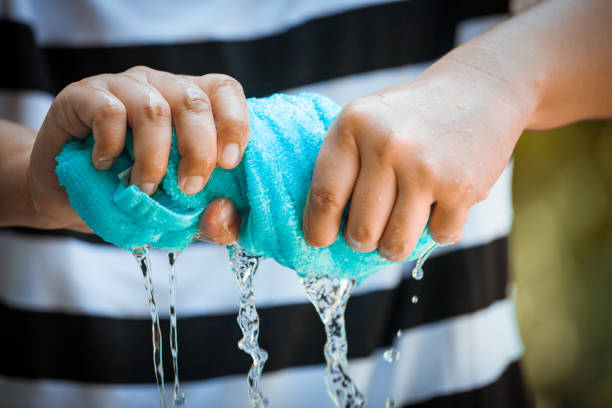
You've encountered the "towel paradox." Many traditional softeners are hydrophobic (water-repellent). To get softness, they coat the fibers and block water absorption. The solution is to use a hydrophilic silicone oil. A product like our TY-8809G is designed to provide excellent softness while maintaining the fabric's natural absorbency. Read more in our Guide to Hydrophilic Finishing.
Yes, this is now possible with modern chemistry. The traditional, multi-step stripping process is no longer necessary. A "direct-to-redye" process can be achieved using an innovative redyeing agent like our TY5-9. It uses nanomaterials to create pathways for the new dye to reach the fiber, saving hours of time and multiple cycles of water. We explain how in our Step-by-Step Guide to Redyeing.
Hard water is a silent killer of quality, causing dye spots and poor cleaning. The best approach is proactive water treatment within the process bath. Use a high-quality chelating dispersant like our TY1-30. It "traps" the harmful metal ions, preventing them from interfering with your dyes and detergents. Learn more in our Guide to Chelating Dispersants.
The key to creating machine-washable wool is an anti-felting treatment. This process modifies the surface scales of the wool fiber so they can no longer interlock and shrink. This is typically done with a controlled chemical process using scaling tablets like our TY1-35. We detail the full process in our Guide to Machine-Washable Wool.
This is a very common piece of finishing advice we give. The stiffness of a print is primarily determined by the binder (fixing paste). The solution is twofold: first, choose a binder known for its soft hand feel, like our TY-40G. Second, you can incorporate a specialized print softener into your paste formulation.
This is a crucial question for any brand concerned with sustainability. ZDHC Level 3 is the highest level of conformance on the ZDHC Gateway. It means that not only has the chemical product been certified, but the manufacturer's chemical management processes have been audited by a third party. Partnering with a Level 3 supplier gives you the highest possible confidence in their commitment to clean chemistry. We explain this in our Guide to Sustainability Certifications.
A trading company is a reseller. A chemical manufacturer (like Taiyang Chemical) is the source. Partnering with a direct manufacturer gives you significant advantages: direct access to technical support and R&D, better quality control, a more stable supply chain, and often, more competitive pricing. We cover this in our Guide to Choosing a Supplier.
These ten textile chemical questions represent just a fraction of the challenges the industry faces every day. At Taiyang Chemical, we believe that providing dyeing help, finishing advice, and expert answers is a core part of our mission. We are committed to being your partner in problem-solving.
Your next big breakthrough could start with a simple question. Submit your own technical question to our experts and let's solve your next challenge together.
1. How can I submit my own question to your experts? How to submit my own question? The best way is to use the contact form on our website. Provide as much detail as you can about your fabric, your process, and your problem. Our technical support team will review it and get back to you with personalized advice.
2. Do you have more detailed articles on these topics? Yes. As you can see, most of the answers in this Ask the Expert column link to more detailed guides on our blog. We are constantly building our resource library to provide you with the most comprehensive information available.
3. What is the process for getting a product sample for testing? We believe in testing. Simply contact our sales team or mention in our contact form which product you are interested in. We will be happy to arrange for a lab sample to be sent to you so you can verify its performance in your own facility.
4. How can I access your full library of technical resources? The best way to stay updated is by regularly visiting our blog. You can also contact our team to be added to our mailing list for new product announcements and technical articles.