

The textile industry is at a pivotal moment. The forces of consumer demand, regulatory pressure, and technological advancement are converging to reshape the entire supply chain. At the very heart of this transformation lies the chemistry that makes our fabrics possible. For industry leaders, understanding the emerging textile chemical trends is not just an academic exercise; it's a strategic imperative. This report will provide a look into the future of textiles, exploring the key innovations and sustainable shifts we see shaping the industry in 2025-2026. For those planning their next move, knowing where the industry is headed is the first step. Partner with us to navigate the future.
Sustainability is no longer a buzzword; it's the baseline. The coming years will see an acceleration towards what we call "Hyper-Sustainability," where environmental considerations are integrated into every aspect of chemical design and application.
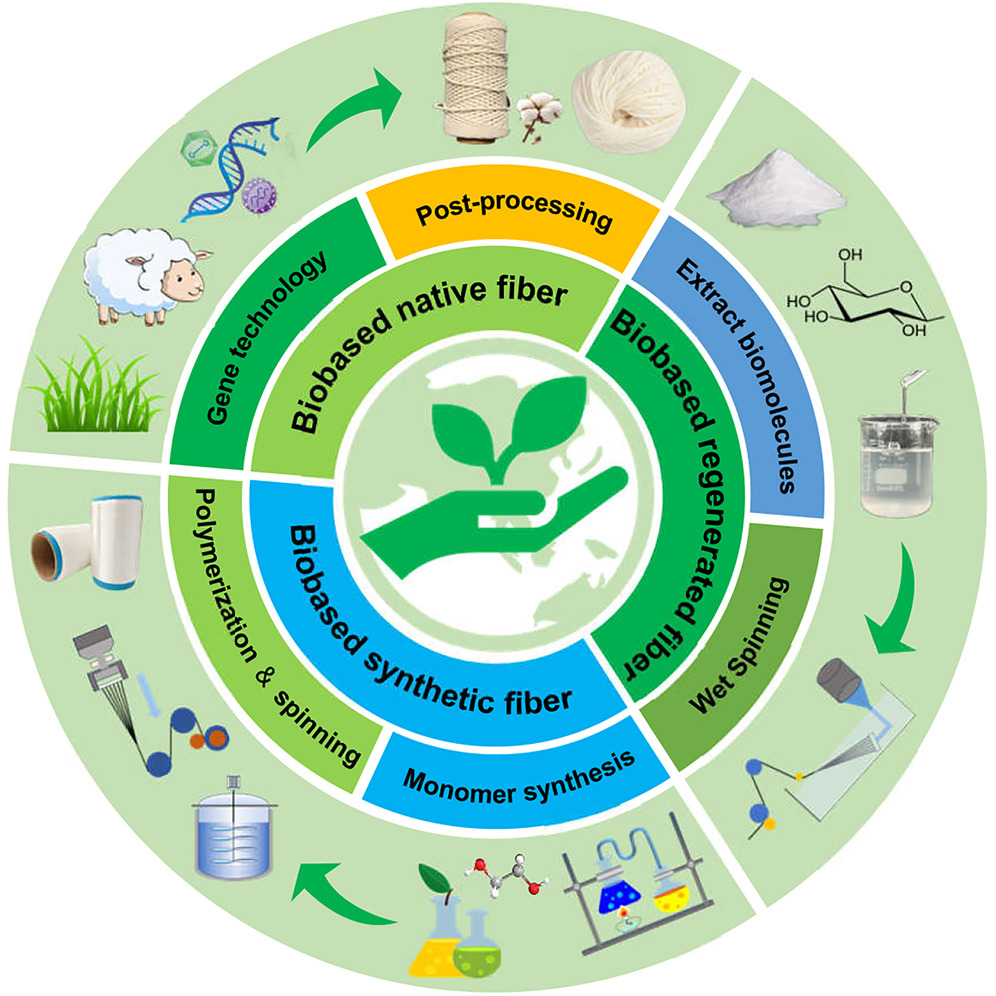
The focus is shifting from simply avoiding harmful substances (like PFCs) to proactively using renewable ones. The demand for bio-based chemicals, derived from plant-based sources rather than petroleum, will grow significantly. This push for greener feedstocks is a core component of the future of sustainable chemicals.
Water consumption remains one of the industry's biggest challenges. We predict that chemical solutions enabling waterless dyeing (using supercritical CO₂) and low-water processes will move from niche to mainstream. Auxiliaries that allow for process consolidation, like one-bath scouring and bleaching, will become standard.
As circularity becomes a reality, the industry needs auxiliaries specifically designed for recycled fibers. These fibers (like rPET or recycled cotton) have different properties and require specialized chemistry to achieve high-quality dyeing and finishing results. This is a major area for textile innovation.
The demand for smart textiles that do more than just look good continues to grow. Functional finishes will become more sophisticated, dynamic, and integrated.
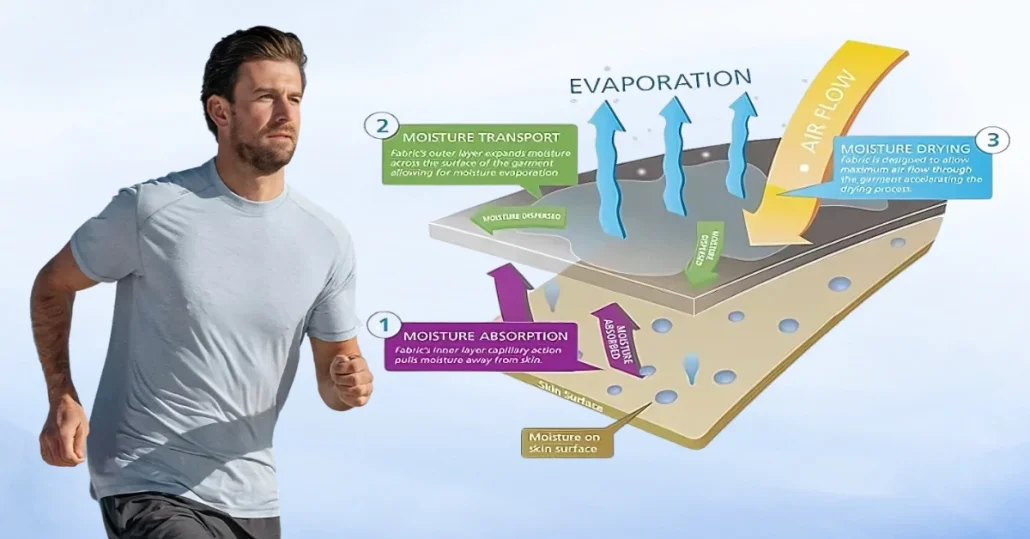
We will see a move towards dynamic performance. Instead of a static finish, new auxiliaries will enable fabrics that can adapt to the wearer's environment. This includes advanced thermoregulation (reacting to body heat) and next-generation moisture management that moves sweat away from the body more effectively.
The focus on health and wellness will drive growth in protective finishes. High-performance, durable antimicrobial finishes for odor control and hygiene, along with powerful UV-blocking agents for sun protection, will become standard features in many apparel categories.
A key insight is that durability is a form of sustainability. A garment that lasts longer has a smaller environmental footprint. We anticipate a greater demand for auxiliaries that enhance a fabric's physical properties, such as abrasion resistance and color fastness, under the banner of "longevity."
The "Industry 4.0" revolution is coming to the dye house, and the chemistry must adapt.
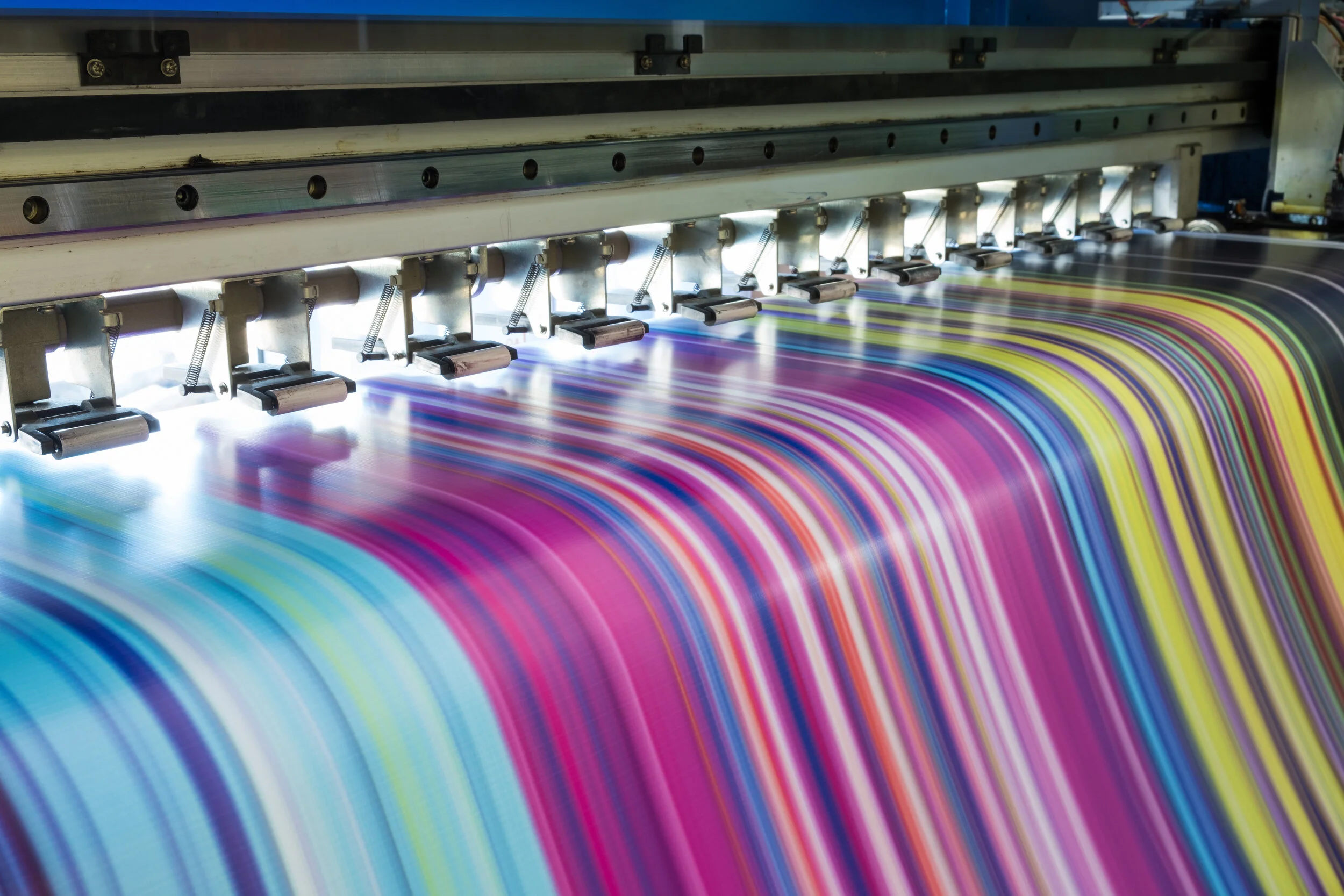
As digital textile printing continues to grow in popularity for its flexibility and low water use, there will be a corresponding demand for specialized pretreatment and post-treatment auxiliaries. These chemicals are essential for ensuring vibrant colors and good fastness on digitally printed fabrics.
Modern factories are moving towards full automation. This requires highly stable, consistent, and easy-to-handle liquid chemical formulations. Furthermore, there will be a greater focus on auxiliaries that contribute to "right-first-time" dyeing, reducing the need for costly and wasteful rework.
At Taiyang Chemical, we are not just observing these textile chemical trends; we are actively shaping them. Our strategy is built around embracing this future.
A significant portion of our R&D investment is dedicated to developing the next generation of sustainable chemicals. This includes research into bio-based raw materials and creating more resource-efficient formulations.
Our labs are focused on the textile innovation that will power the smart textiles of tomorrow. We are continuously working to improve the performance and durability of our functional finishes.
We believe the future of textiles will be built on collaboration. We actively partner with mills and brands to co-develop solutions that meet the challenges of tomorrow.
The future of textiles will be defined by sustainability and textile innovation. Navigating these powerful textile chemical trends requires more than just high-quality products; it requires a partner with vision. By anticipating these shifts and investing in the right technologies, you can secure your competitive edge for years to come.
Is your business ready for the future? Contact our strategic development team to discuss how our innovative solutions can align with your long-term goals.
Which trend do you believe will have the biggest commercial impact in the next two years?
What is the biggest commercial impact? While all three are significant, we believe the continued acceleration of "Hyper-Sustainability" will have the most immediate and widespread commercial impact. Brands are facing immense pressure from consumers and regulators, making the adoption of sustainable chemicals and processes like *waterless dyeing not just an option, but a requirement for market access.
How is Taiyang Chemical addressing the challenge of creating bio-based chemicals at a competitive cost?
How to manage the cost of bio-based chemicals? This is a key challenge. Our strategy involves two parts: first, investing in R&D to find more efficient synthesis routes for *bio-based materials. Second, we focus on developing high-concentration products that, while potentially having a higher per-kilo cost, are more efficient in application, leading to a lower overall process cost.
What role will AI and machine learning play in the future of textile chemical R&D?
What role will AI play in R&D? AI and machine learning will be transformative. They can be used to accelerate the discovery of new molecules, predict the performance of formulations before they are even synthesized, and optimize complex dyeing processes for *"right-first-time" results. It's an area we are actively exploring.
How can we collaborate with your R&D team on a future-focused project?
We are always open to strategic partnerships. The best way to start is by scheduling a consultation with our technical leadership. We can sign an NDA and have a deep discussion about your long-term innovation goals and see where our R&D investment and capabilities can align to create a unique solution for you. Start the conversation here.