

In the modern textile industry, fabric is no longer just about color and softness. Consumers are demanding more: jackets that repel rain, workout gear that fights odor, and workwear that offers protection. This evolution is driven by a powerful category of chemicals known as functional auxiliaries. This guide will serve as an introduction to the world of high-performance fabric finishing agents, exploring what they are and how they unlock the potential for innovative, high-value textiles. For developers and brands looking to create the next generation of fabrics, understanding these agents is essential. Explore our range of advanced textile auxiliaries to begin your innovation journey.
What are functional auxiliaries? While traditional auxiliaries improve the look and feel of a fabric, functional auxiliaries give it new, measurable capabilities.
Simply put, a functional auxiliary is a chemical agent applied during the fabric finishing stage to impart a specific performance characteristic. Instead of just making a fabric softer or brighter, these agents make it do something special, like resist water, block UV rays, or self-extinguish when exposed to flame.
The demand for these properties is exploding. From outdoor enthusiasts to safety-conscious industries, consumers are willing to pay a premium for smart textiles that offer tangible benefits beyond basic aesthetics. Functional auxiliaries are the key to meeting this demand and creating products with a clear competitive advantage.
The world of functional finishes is vast and ever-expanding. Here are some of the most important categories that are transforming the industry.
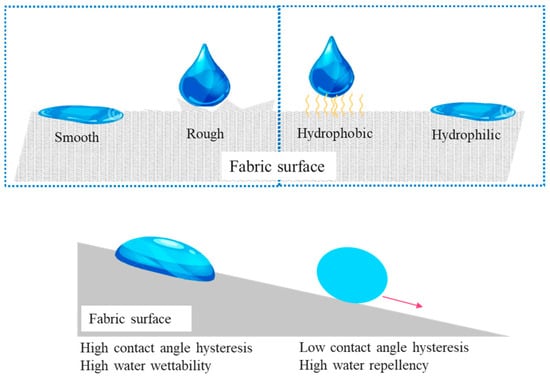
Perhaps the most well-known functional finish, water-repellent chemistry creates a low-surface-energy coating on the fabric. This causes water to bead up and roll off instead of soaking in. It's essential for rainwear, outdoor gear, and upholstery.
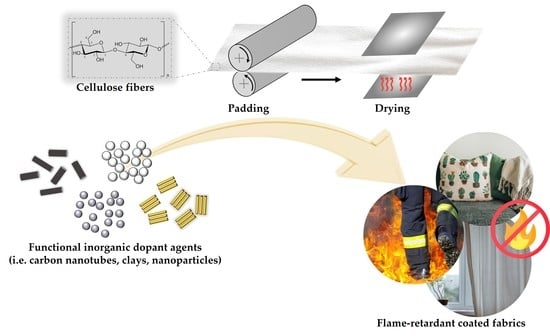
Flame retardant auxiliaries are critical for safety. They work by either interrupting the chemical combustion process in the gas phase or by promoting char formation on the fabric, preventing the spread of flames. This finish is vital for children's sleepwear, workwear, and public-space textiles like curtains and carpets.
Antimicrobial agents inhibit the growth of bacteria, mold, and mildew on a fabric. In sportswear, this means powerful odor control. In medical textiles and home goods, it provides an essential layer of hygiene and freshness.
Specialized UV protection auxiliaries absorb or block harmful ultraviolet radiation. This is a crucial feature for outdoor apparel, swimwear, and shade textiles like awnings and umbrellas, protecting both the user and the fabric itself from sun damage.
A stain release finish makes it easier to wash dirt and oil-based stains out of a garment. This easy-care property is a highly desirable feature for everyday clothing, children's wear, and work uniforms.
The mechanisms behind these finishes are as diverse as their functions. However, they generally fall into two broad categories.
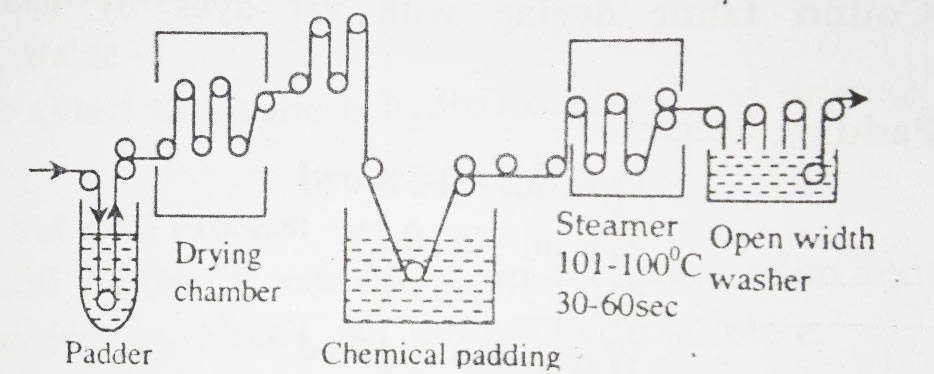
Some finishes, like water-repellent treatments, work by modifying the surface of the fabric. Others, like certain flame retardant types, are designed to integrate more deeply into the fiber structure itself for greater durability.
How durable are functional finishes? This is a critical question. A high-quality functional finish must have good wash resistance. The performance feature needs to last through the expected lifespan and laundering cycles of the garment to be of any real value to the consumer.
Selecting the right finish is a strategic decision that depends on your specific goals.
First, clearly define what you want the fabric to do and who your end user is. Is it a high-performance jacket for a mountaineer or an easy-care shirt for a busy professional? Your performance goals will dictate the choice.
The effectiveness of a finish can vary greatly depending on the fiber (e.g., cotton vs. polyester) and the fabric construction (woven vs. knit). A good chemical supplier can provide expert guidance on which products work best for your specific material.
Finally, you must balance three key factors: the level of performance required, the added cost to your production, and the sustainability profile of the chemical. Modern eco-friendly options are increasingly available for many functional finishes.
Functional auxiliaries are where chemistry and creativity intersect to drive textile innovation. They are the tools that allow manufacturers to move beyond basic textiles and create high-performance, high-value products that solve real-world problems for consumers. These high-performance fabric finishing agents are the building blocks of the future of fabric.
Ready to add game-changing performance to your textiles? Explore the range of functional auxiliaries from Taiyang Chemical and consult with our experts to find your next innovation.
Do functional finishes affect the hand feel or breathability of the fabric?
Do functional finishes affect hand feel? It depends on the chemistry and application level. Modern, high-quality *functional auxiliaries are designed to have a minimal impact on the fabric's natural hand feel and breathability. However, a heavy coating, like for extreme waterproofing, may have some effect.
How durable are functional finishes like water repellency?
Durability varies widely. A standard finish might last 10-20 washes, while a high-performance finish can last 50 or more. The wash resistance is a key quality parameter that a reputable supplier will be able to provide data for.
Can multiple functional finishes be applied to the same fabric?
Can multiple functional finishes be applied? Yes, this is common in high-performance textiles. For example, an outdoor jacket might have a finish that is both *water-repellent and breathable. However, the chemical compatibility must be carefully managed. It's essential to work with a supplier who understands these interactions.
Are there eco-friendly options for functional auxiliaries?
Yes. The industry is rapidly moving towards more sustainable solutions. For example, in water-repellent finishing, there has been a major shift from older C8 chemistry to more eco-friendly options like C6 and fluorine-free formulations. Always ask your supplier about their sustainable product range. For more on this, you can read our guide on sustainability.