



The art of denim washing is a complex blend of chemistry, mechanics, and experience. From controlling jeans shrinkage to achieving the perfect color, the challenges are numerous. Over our 20+ years in the industry, our technical experts have answered thousands of questions from washing plants around the world. We've compiled the most critical ones into this ultimate denim washing FAQ. This is your go-to resource for expert answers to your most pressing denim washing problems. For any challenges that go beyond this guide, our team of chemical experts is here to help.
How to reduce jeans shrinkage? This is one of the most critical denim washing problems as it directly impacts the final garment's fit and commercial value.
Controlling the shrinkage rate starts before the first wash. It's crucial to test the fabric's shrinkage potential and create different size gradings for sewing. Some fabrics have unstable shrinkage, requiring extensive testing.
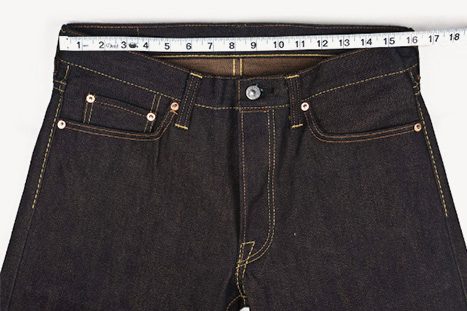
The washing process itself is key. The temperature used in washing can significantly affect shrinkage. At the same time, the amount of water in the machine will also have an impact. Consistency in these parameters is vital.
The best practice is to wash a small test batch (a few dozen pairs) as early as possible. Check if the jeans shrinkage is severe. If it is, you can inform the washing factory to make immediate adjustments before the bulk production is ruined.
How to fix uneven color on jeans? Achieving consistent color is a hallmark of quality garment washing.
Prevention is the best cure. If you know a batch of fabric has different chroma, you should perform color separation before desizing. After desizing, you can float them one more time and then split the colors again. This helps maintain color uniformity within each sub-batch.
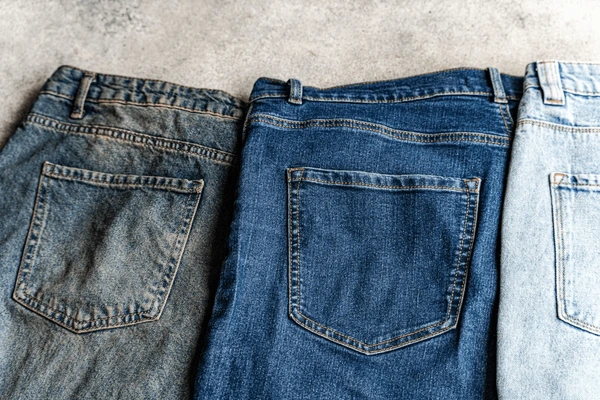
If uneven color is discovered after washing, you have options. If the color is too dark, you can wash it one more time. If it's a little too light, it's possible to re-dye it. Prompt communication with the washing plant is essential to take corrective action quickly.
How to protect spandex in washing? Stretch denim is a high-value product, but the spandex fibers are delicate.
The most important rule is to control the heat. When whitening stretch jeans, the bleaching temperature should not be too high; the maximum should not exceed 60°C. Aggressive heat is the primary enemy of elastic fibers.
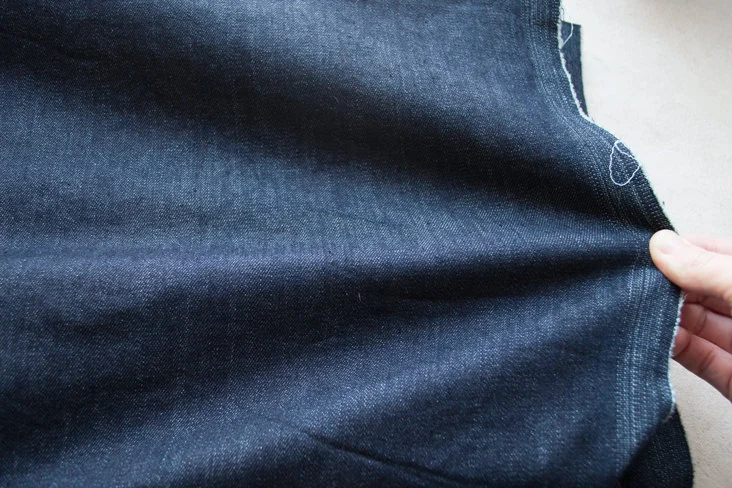
Instead of trying to achieve the target whiteness in one aggressive step, let it whiten two times separately. This gentler approach is much safer for the spandex.
For maximum security, use a specialized chemical agent designed for protecting elastic fibers. These agents form a protective layer around the spandex, shielding it from chemical and mechanical damage. You can learn more in our detailed guide to protecting elastic fibers.
Why are my jeans still too hard after washing? A soft hand feel is expected from a professionally washed jean. If it's still hard, there are a few potential causes.
First, the fabric itself could be the issue. Second, the desizing process may not have been done well or for long enough. Insufficient time will result in a harder feel.
The method of washing makes a huge difference. An enzyme wash and a stone wash will produce different effects and levels of softness. The sequence also matters—washing with stones and then enzymes will yield a different result than the other way around. Continuous testing is key to finding your ideal process.
How to handle water marks? Water marks are a common defect in stone wash processes.
This problem should be solved during desizing. If the desizing process is done well, water marks are unlikely to appear. Ensure that all sizing agents are completely removed from the fabric before the stone washing begins.
Using a high-quality anti-redeposition soap oil in the wash bath can also help. These agents keep loose dye and impurities suspended in the water, preventing them from settling back onto the fabric and causing marks.
Yes. An enzyme wash is a biochemical process. The concentration of the enzyme in the water and the temperature both affect the reaction rate. You can use a longer time, a different temperature, or add other chemical agents to adjust the process and achieve your desired level of abrasion on the warp and weft yarns.
Not necessarily. First, check if the color change is due to dye bleeding. If not, it's possible that the colorful lace fabric is not heat-resistant. To solve this, you need to fix the color of the lace before the main garment washing process.
While you can achieve some effect by just using higher temperatures or longer wash times, the result will be limited. To achieve a professional, consistent, and efficient result, adding chemical agents like desizing enzymes or detergents is highly recommended.
Mastering the art of denim washing is a continuous journey of learning and refinement. This denim washing FAQ provides answers to some of the most common challenges, but every fabric and every fashion wash is unique. Having a reliable source of expert knowledge is your greatest asset.
Have a question that wasn't answered here? Submit your technical challenge to our experts for a personalized consultation.
Where can I find more technical articles like this?
You can find a wealth of information on our blog. We regularly post guides, case studies, and technical articles covering all aspects of textile wet processing.
How can I get technical data sheets (TDS) for the products mentioned?
For any of our products, you can easily request a TDS. Simply navigate to the product page on our website or contact our sales team, and they will provide you with the detailed technical information you need.
Do you offer on-site technical support for complex issues?
Yes. For our partners facing complex or persistent denim washing problems, we do offer on-site technical support. Our experienced engineers can visit your facility to help diagnose issues and optimize your processes firsthand.
What's the best way to contact your technical team?
The best way is to use the contact form on our website or to reach out to your dedicated sales representative. Provide as much detail as possible about your issue, and our technical support team will get back to you promptly to assist.